Anti-theft guide: how to avoid getting robbed while traveling

Pickpockets don’t target just anyone: they target whoever makes it easy. A two-second lapse on the subway, in a line or in a crowded square is all it takes. The good news is that with a few habits you can make it very hard for them.

The 5 most common pickpocket tricks

  1. The bump: someone trips into you or pushes you "by accident" on public transport while someone else takes your wallet.
  2. The distraction: they ask you for directions, show you a map or ask you to sign something, and while you’re looking, another hand goes into your pocket or backpack.
  3. The stain: they "warn" you that there’s something on your clothes and offer to help you clean it.
  4. The subway doors: they rob you just before the doors close and the thief stays on the platform.
  5. The café table: you leave your phone or wallet on the table and it disappears under a flyer or a map.

10 habits for worry-free travel

  1. Never keep your wallet in your back pocket. It’s the first place they look.
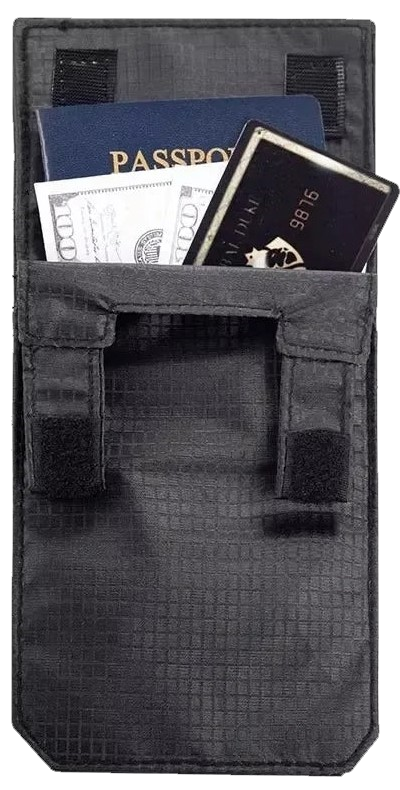
  2. Split your money. Keep only what you need for the day at hand and store the rest (and your passport) hidden, close to your body.
  3. Wear your backpack on your front on public transport and in crowded places.
  4. Don’t show what you’re carrying: avoid counting bills or pulling out a full wallet on the street.
  5. Be wary of rushing and pushing: if someone gets too close, put your hand on your things.
  6. Take a photo of your passport and cards and save it to the cloud: if you lose them, everything will be faster.
  7. Write down the numbers to block your cards somewhere other than your wallet.
  8. Be careful at concerts, festivals and street markets: they’re pickpockets’ favorite places.
  9. At the hotel, use the safe for anything you don’t need that day.
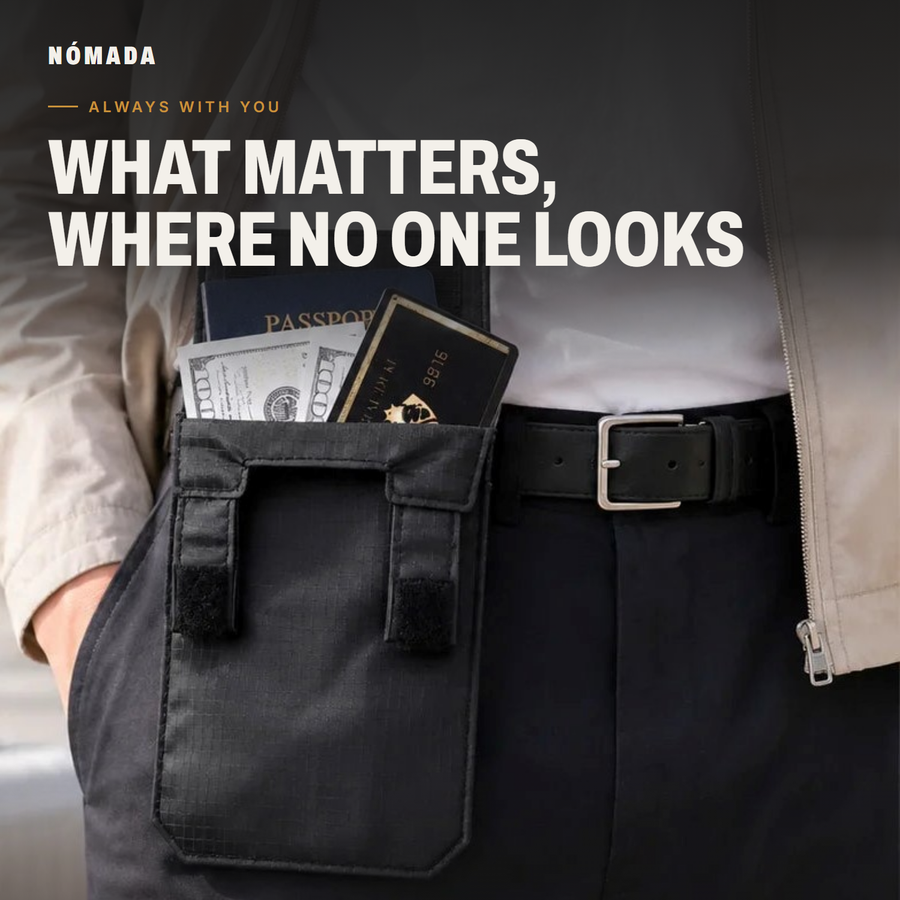
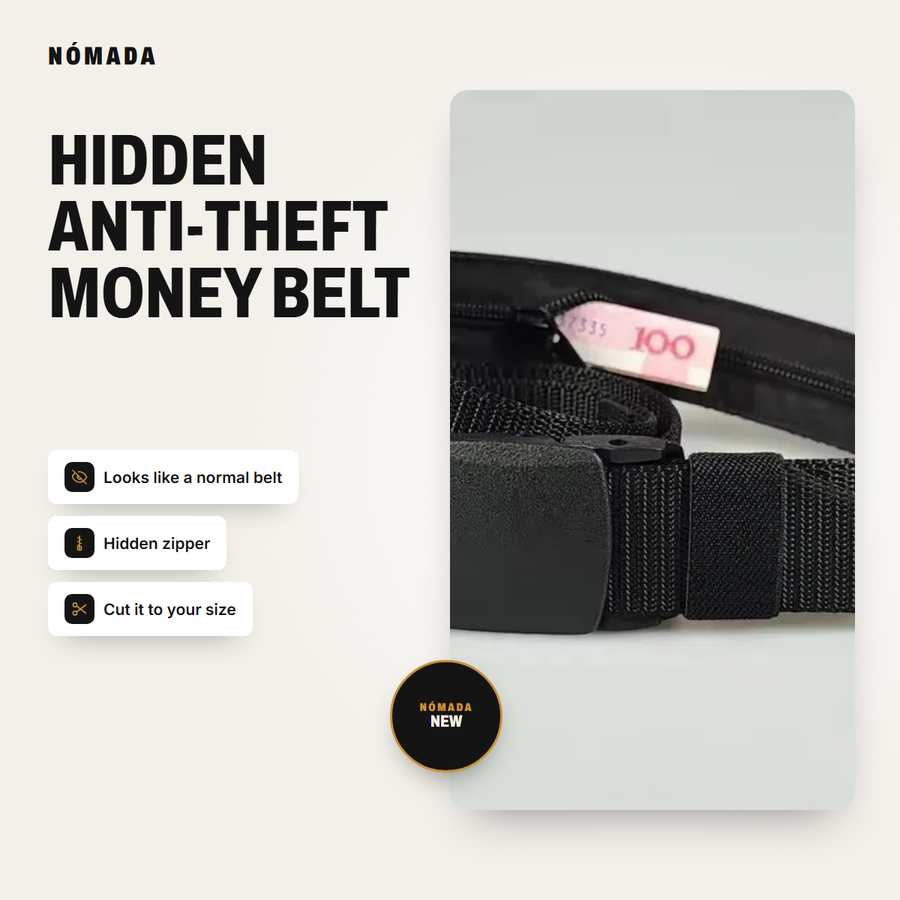
  10. Carry what matters where no one looks: passport, cards and cash, hidden under your clothes and attached to your belt.

What to do if you’re robbed

  • Block your cards immediately from your bank’s app or by calling its emergency number.
  • File a police report at the nearest station: you’ll need it for your insurance and to replace documents.
  • If it’s your passport and you’re abroad, go to your country’s consulate or embassy.

Travel should mean freedom, not keeping an eye on your pockets. With these habits (and your valuables safely stored) you’ll be able to truly enjoy your trip.